
Mathematics
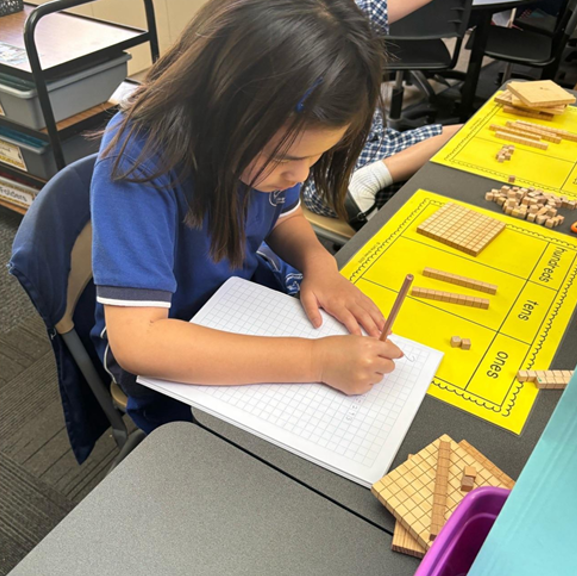
Maths at Sydenham Primary School
At Sydenham Primary School, mathematics is a vital part of the curriculum and is taught every day across all year levels. Students engage in at least five hours of mathematics learning each week, ensuring regular opportunities to develop and practise essential skills. Teaching and learning are guided by the Victorian Curriculum 2.0, with lessons carefully adapted to meet the diverse needs of students through targeted support and extension where required.
The teaching and learning of Mathematics is centred around our whole-school instructional framework. Teachers work collaboratively to plan rich, meaningful and engaging learning experiences, with ongoing assessment processes embedded, which allows teachers to tailor learning activities to target and support individual needs.
Learning experiences are designed to deepen students’ mathematical understanding by building strong connections between concepts and ideas across different areas of mathematics. Students are provided with multiple exposures to key concepts over time, allowing them to revisit, practise and strengthen their understanding while developing increasing fluency with important skills and procedures.
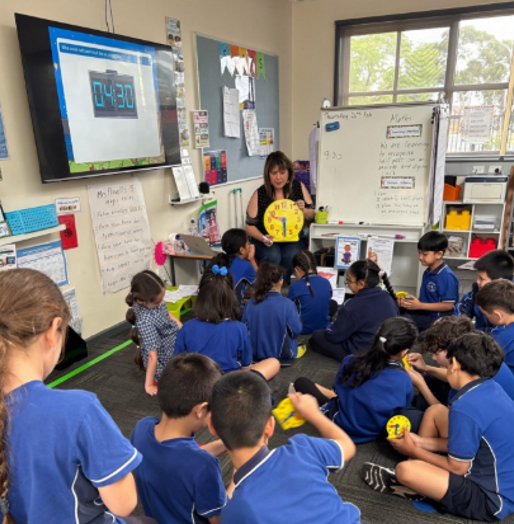
Maths in the Classroom
Students work both independently and collaboratively to engage in meaningful learning tasks that are aligned with clear learning intentions and success criteria. They are supported to identify and address misconceptions, compare different approaches and make connections between strategies and concepts.
Throughout lessons, they have opportunities to discuss, model, represent, write about and reflect on their mathematical thinking. These varied experiences help students consolidate their learning, build confidence and develop flexibility in how they approach mathematical problems.
Students work both independently and collaboratively on meaningful learning tasks aligned with clear learning intentions and success criteria. Throughout lessons, they are supported to identify and address misconceptions, compare different approaches, and make connections between strategies and mathematical concepts.
Students have opportunities to discuss, model, represent, write about and reflect on their thinking, helping them consolidate their learning, build confidence and develop flexibility in their approach to solving mathematical problems.
How can you help your child become a great
mathematician at home?
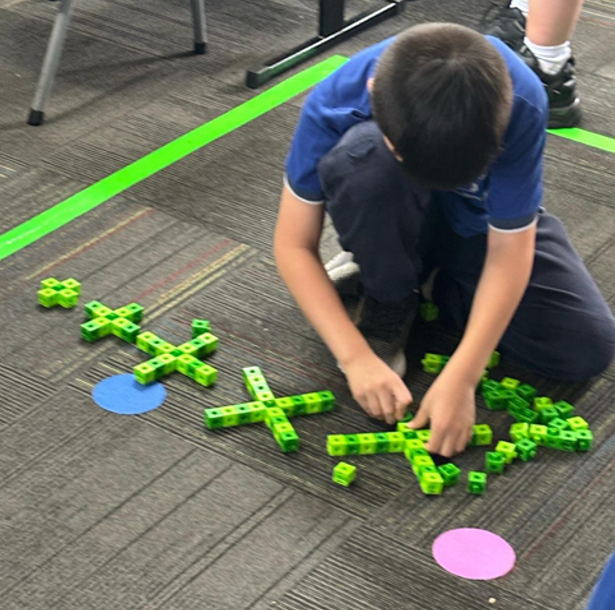
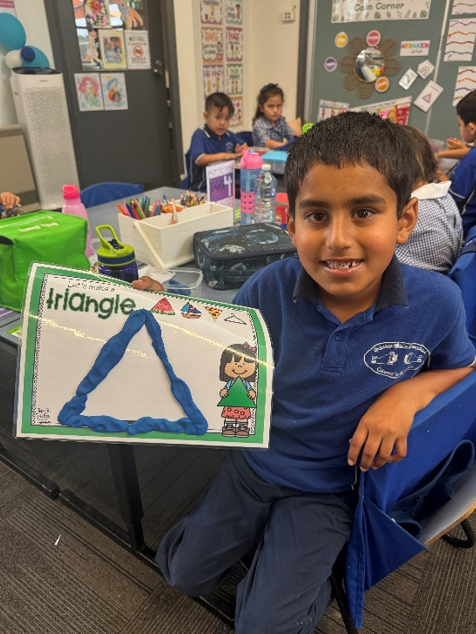
Helping your kids to do maths at home can be a positive experience for both you and your child. Maths is probably taught and learned a little differently by kids these days than when you were younger. It is about understanding the reasoning and using strategies to do Maths. Now you don’t need to be ‘good at maths’ yourself to foster mathematical thinking in your children. In fact, you don’t even need to have any of the answers. Parents need to just recognise opportunities for mathematical exploration and need to practise asking good questions. It is up to the child to discover the answers (Danijela Draskovic, MAV Education Consultant).
“Research shows parental support is a major factor for student success at school!! Focus on thinking and having a go, not about being right or wrong!” (THE MATHEMATICAL ASSOCIATION OF VICTORIA)
Numeracy at Home Information:
Department of Education and Training - Information, advice and activities for families to help their child's numeracy learning at home.
https://www.vic.gov.au/mathematics-and-numeracy-home
© Copyright Sydenham Primary School